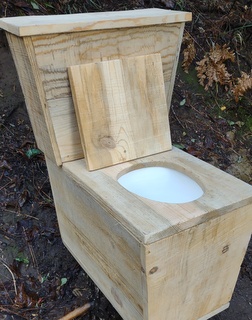

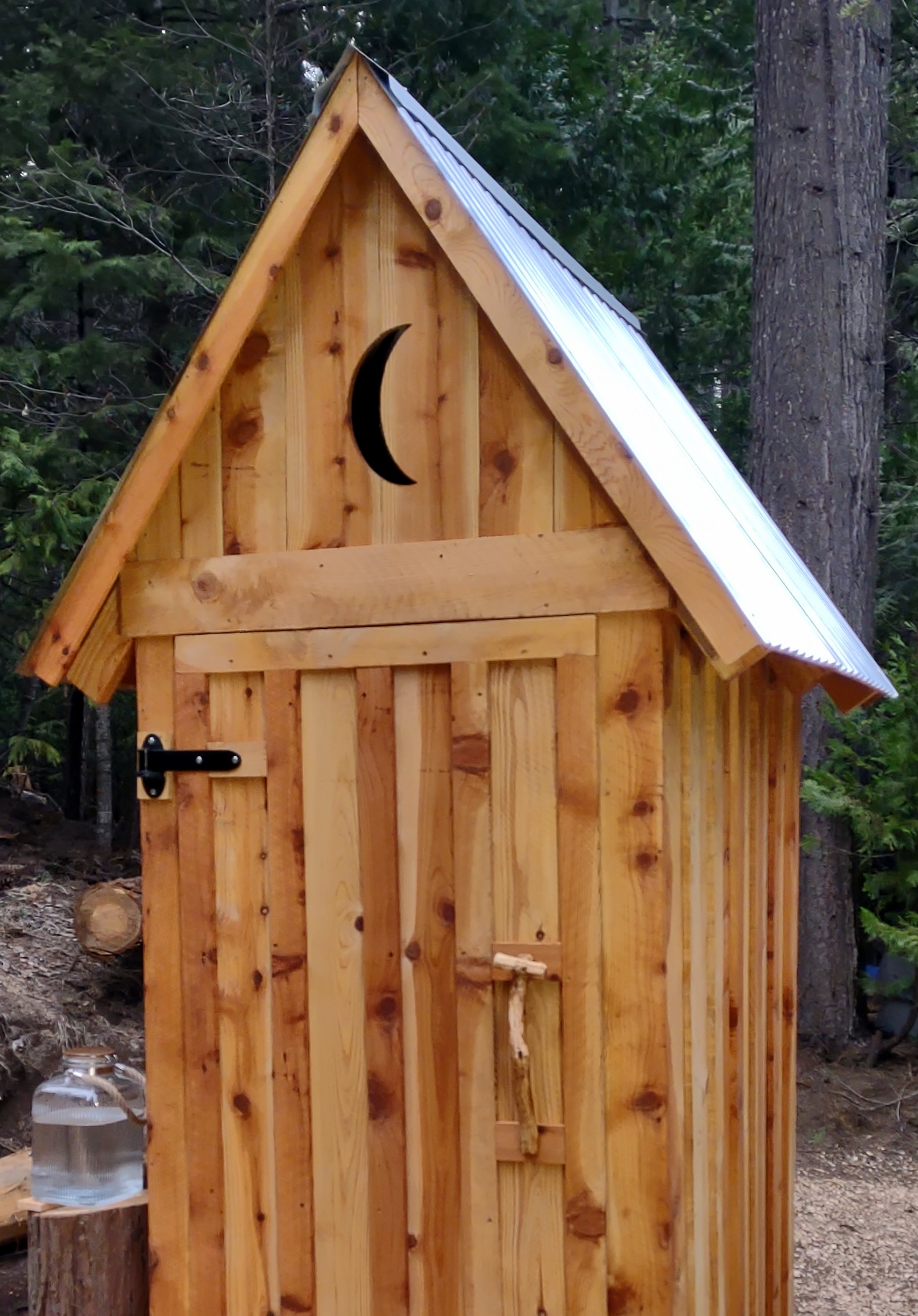
Arnold, CA…In 1862, America made a simple deal: work the land, and you can own it. The Homestead Act gave millions of families a stake in the country. Today we face a different frontier. We are millions of homes short. Young people delay families. Many feel being able to own a small piece of the American Dream is not only out of reach but almost impossible.
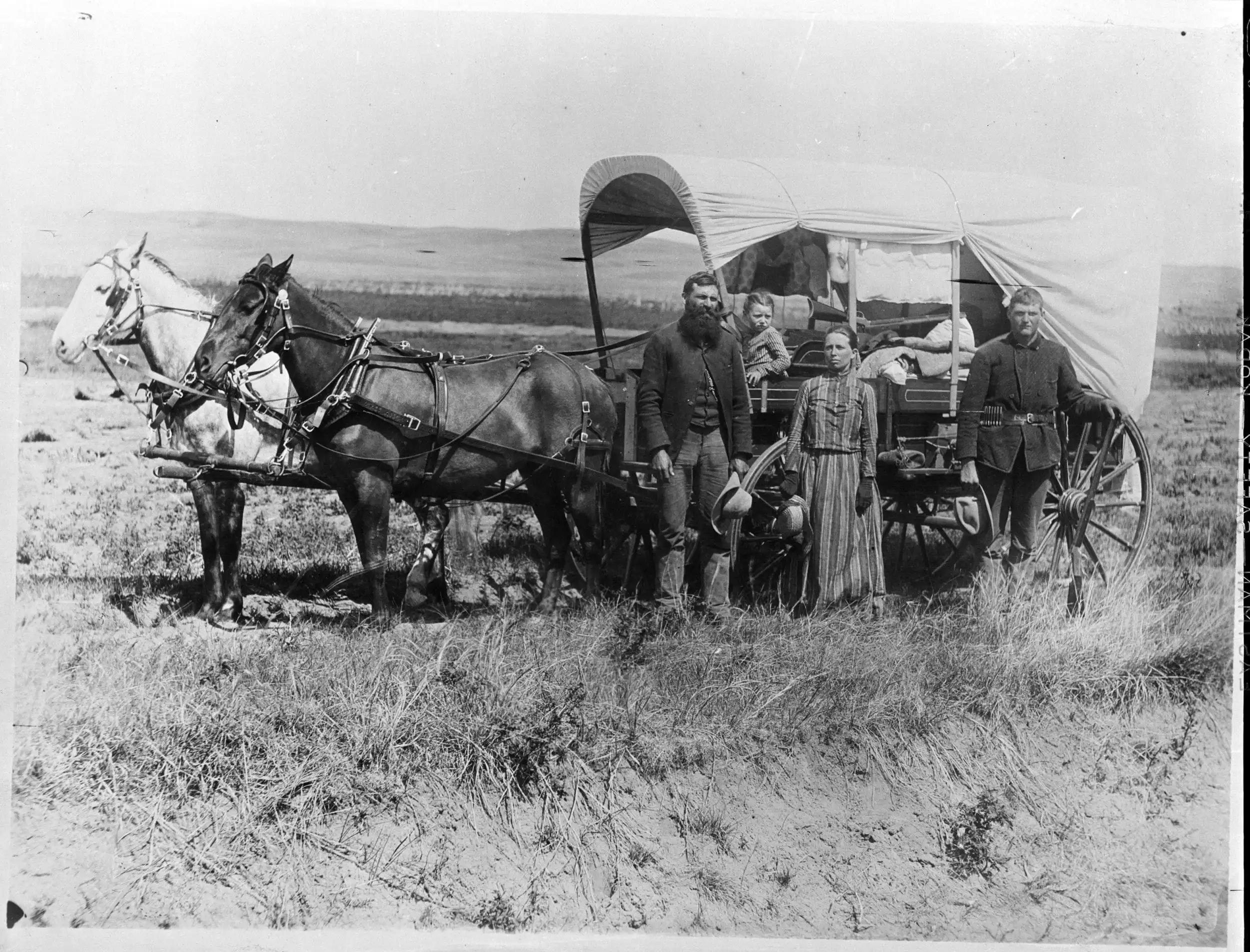
A new Homestead Act would restore hope to millions. For America to work even those working minimum wage jobs have to have a shot. If you are willing to work hard, get your hands dirty and work as many hours on your homestead as you do on your day job. You should be able to build a life. Right now you can’t and you haven’t been able to do so for decades.
In 1735 Ben Franklin said : “A little house well filled, a little land well tilled, and a little wife well willed are great riches”. 291 years ago he published and promoted what became the American Dream. We can make this possible again!!
The Structural Problems currently:.
In some jurisdictions here in California it can cost over $100k in permits, fees & more before you can build. If you are building a million dollar home that 10% or so doesn’t seem excessive. If you are building a tiny home the permits and fees could be several times the cost of your entire home.
In most jurisdictions all the fees and entitlements have to be paid upfront not only before you build but before you and legally occupy your land for more than brief periods. In essence you can’t legally call your land your home. Now you get the “Occupancy Permit” after the home is completed and inspected.
Health & Safety Code and Utilities. These were the drivers of modern building codes for very good reasons. Public sewer systems, public water systems & public electrical systems. They made the U.S. the model of the world for safe, sanitary societies. Now however even big new developments are going “Off Grid”. Inexpensive, commercially available systems can now handle small scale living better than the “Grid”. If you are willing to be responsible for your own safety as long as it doesn’t negatively impact those around you should be allowed to do so.
The original Act was not charity. It was a bet on work, ownership, and the future. We can make that bet again: more homes, more owners, more places where ordinary people can start.
Our entire system right now is designed to punish those starting out and those who just want a simple life. A new Homestead Act would require no government grants, no hand outs. Just simple ordinances allowing people to begin.
This New Homestead act outlined below will have to be passed state by state and county by county. The process is straightforward and actually quite simple.
The New Homestead Act.
Allow you to use and reside on any parcel that you own or legally have access to for up to 5 years before you are required to start the permit process. The parcel needs to be one acre or larger in an unincorporated area and in acceptable zoning.
Allow you to build a permit deferred structure of 200 square feet or smaller or allow you to place a tiny home on the parcel.
Change the requirements in the Health and Safety Codes to guidelines for the first 5 years. You are responsible for the health and safety of you, your family and visitors.. You are expected to follow commonly used practices or use commercially available systems for safe off grid living. You are still legally responsible for any fires, excessive noise, pollution etc. You are not allowed to negatively impact the quality of life of your neighbors.
A draft ordinance is below:
ORDINANCE NO. ______AN ORDINANCE OF THE BOARD OF SUPERVISORS / COMMISSIONERS OF [COUNTY NAME] ESTABLISHING THE NEW HOMESTEAD ACT; PROVIDING A LIMITED FIVE-YEAR PERMIT-DEFERRED HOMESTEAD OCCUPANCY PERIOD ON QUALIFYING UNINCORPORATED PARCELS; AUTHORIZING CERTAIN PERMIT-DEFERRED STRUCTURES AND TINY HOMES; TREATING SPECIFIED HEALTH AND SAFETY STANDARDS AS GUIDELINES DURING THE DEFERRED PERIOD; PRESERVING NUISANCE, FIRE, POLLUTION, AND NEIGHBOR-PROTECTION LIABILITY; AND PROVIDING FOR ADMINISTRATION, ENFORCEMENT, SEVERABILITY, AND AN EFFECTIVE DATE.THE BOARD OF SUPERVISORS / COMMISSIONERS OF [COUNTY NAME] ORDAINS AS FOLLOWS:
SECTION 1. TITLE
This Ordinance shall be known and may be cited as the “[County Name] New Homestead Act.”
SECTION 2. FINDINGS AND PURPOSE
A. Findings. The Board finds that:
Rising housing costs, rural landownership, and interest in self-reliant living have created demand for a lawful path to occupy privately owned rural land while a permanent dwelling is planned.
Immediate full permitting can be a barrier to lawful occupancy of larger rural parcels, even where the occupant is the owner or has legal access.
A limited, time-certain deferral, paired with clear eligibility, neighbor-protection rules, and retained liability for fire, pollution, and nuisance, can reduce unpermitted occupancy while protecting public safety and neighboring property.
A five-year period is long enough to allow a homestead to become established and short enough to require transition into the ordinary permit process.
B. Purpose. The purpose of this Ordinance is to:
Allow qualifying persons to use and reside on a qualifying parcel for up to five years before they are required to start the ordinary permit process;
Allow a permit-deferred structure of 200 square feet or smaller, or placement of a tiny home, during that period;
Treat specified Health and Safety Code occupancy standards as guidelines, not immediately enforced permit conditions, during the first five years;
Place primary responsibility for occupant health and safety on the homestead occupant;
Require commonly accepted or commercially available off-grid practices; and
Prohibit impacts that unreasonably harm neighboring quality of life, and preserve legal responsibility for fire, excessive noise, pollution, and similar harms.
SECTION 3. DEFINITIONS
For purposes of this Ordinance:“Acceptable zoning” means a zoning district in the unincorporated area in which a single-family dwelling, agricultural dwelling, rural residential use, or comparable residential occupancy is a permitted or conditionally permitted use, or is otherwise allowed by the County zoning code. The Planning Director shall maintain a published list of acceptable zoning districts.“Commercially available system” means a manufactured or packaged water, wastewater, power, heating, or sanitation system sold for residential or off-grid use and installed according to the manufacturer’s instructions.“Commonly used practices” means widely recognized off-grid or rural residential practices for potable water, wastewater, greywater, fire prevention, food storage, heating, and waste disposal that a reasonably prudent person would use to avoid contamination, fire, disease, or environmental harm.“Health and Safety Codes” means the County-adopted building, residential, plumbing, mechanical, electrical, sanitation, and related occupancy standards, including locally adopted state codes, that would otherwise apply to a dwelling or habitable structure.“Homestead occupant” means a natural person who owns the parcel or has documented legal access to occupy it, and who resides on the parcel under this Ordinance.“Legal access” means a recorded deed, lease, license, easement, use agreement, or other written instrument sufficient to confer a lawful right to occupy the parcel for residential purposes, together with lawful ingress and egress.“Parcel” means a legally created lot or parcel of record.“Permit-deferred structure” means a structure of 200 square feet or less of enclosed floor area, measured to the exterior of the enclosing walls, used for habitation during the deferral period.“Tiny home” means a dwelling unit, whether on a foundation or on a chassis, intended for year-round habitation and containing provisions for sleeping, cooking, and sanitation, and that is designed for residential occupancy rather than transient camping. A recreational vehicle used only for temporary camping is not a tiny home under this Ordinance unless it is the occupant’s principal residence on the qualifying parcel.“Unincorporated area” means land within the County that is not within the corporate limits of a city or town.
SECTION 4. APPLICABILITY AND ELIGIBILITY
A. Geographic limit. This Ordinance applies only in the unincorporated area of [County Name].B. Qualifying parcel. A parcel qualifies only if all of the following are true:
The parcel is one acre or larger, net of public rights-of-way;
The parcel is in the unincorporated area;
The parcel is in acceptable zoning;
The homestead occupant owns the parcel or has legal access to it; and
The proposed occupancy is not prohibited by a recorded covenant, conservation easement, or similar private restriction that the County is asked to honor, or by a state or federal restriction that the County cannot waive.
C. Overlay and mapped hazards. Eligibility under this Ordinance does not waive:
Floodplain development permits;
Wildland-urban interface, fire-hazard, or defensible-space rules that remain independently enforceable;
Wetland, riparian, shoreline, or critical-area restrictions;
Grading, well, or water-right requirements imposed by state law; or
Any requirement that a state agency, not the County, has exclusive authority to impose.
D. One homestead occupancy. Only one New Homestead Act occupancy is allowed per qualifying parcel, unless the zoning code independently allows additional dwellings.E. No subdivision by occupancy. Occupancy under this Ordinance does not create a new legal parcel, vest a density bonus, or authorize a land division.
SECTION 5. FIVE-YEAR PERMIT-DEFERRED OCCUPANCY
A. Authorization. A homestead occupant may use and reside on a qualifying parcel for up to five years from the registration date in Section 8 before the occupant is required to start the ordinary County permit process for a permanent dwelling or continued residential occupancy.B. What “start the permit process” means. Before the five-year period expires, the occupant shall file a complete application for any building, sanitation, or other residential permit then required to lawfully continue occupancy, or shall cease residential occupancy of any structure that would otherwise require a permit.C. Effect during the deferral period. During the five-year period:
The County shall not require a building permit solely for the permit-deferred structure or tiny home authorized by Section 6;
Specified Health and Safety Code occupancy standards are administered as guidelines under Section 7; and
The occupant remains subject to the prohibitions and liabilities in Sections 7 and 9.
D. No vested right to permanent noncompliance. The deferral is temporary. It does not vest a right to occupy an unpermitted dwelling after year five, and it does not excuse compliance with independently enforceable fire, pollution, floodplain, or nuisance laws.E. Early termination. The deferral ends earlier if:
The occupant files and obtains ordinary permits and a certificate of occupancy;
The occupant no longer owns or has legal access to the parcel;
The parcel is annexed into a city;
The occupancy is converted to a commercial use not allowed in the zone; or
A court or the County, after notice and hearing, revokes registration for a material violation of this Ordinance.
SECTION 6. PERMIT-DEFERRED STRUCTURES AND TINY HOMES
A. Authorized shelter. During the deferral period, a homestead occupant may do either or both of the following on the qualifying parcel:
Build or occupy one permit-deferred structure of 200 square feet or smaller; and/or
Place one tiny home on the parcel.
B. Additional accessory storage. Detached storage, tool, or similar non-habitable accessory structures remain subject to existing permit exemptions and zoning setbacks. This Ordinance does not expand those exemptions except as stated in subsection A.C. Location standards. The structure or tiny home shall:
Meet the setbacks of the applicable zoning district, or a minimum of [10 / 20] feet from property lines if the zone has no setback, unless a smaller setback is approved in writing by the Planning Director due to terrain;
Remain outside mapped floodways and, where required, be elevated or otherwise authorized in a special flood hazard area;
Not encroach on a public easement or right-of-way; and
Be sited so that emergency responders can reasonably identify and reach the occupancy after registration.
D. Not a second legal dwelling for density purposes. A permit-deferred structure or tiny home under this Section counts as the residential occupancy authorized by this Ordinance. It does not, by itself, authorize a second independent dwelling beyond what zoning otherwise allows.
E. Removal or conversion after deferral. After the deferral period, the structure or tiny home must be:
Brought into compliance through the ordinary permit process;
Converted to a non-habitable use if allowed by code; or
Removed from residential occupancy.
SECTION 7. HEALTH AND SAFETY STANDARDS TREATED AS GUIDELINES
A. Guidelines for the first five years. For a registered New Homestead Act occupancy, the County’s Health and Safety Code requirements that would otherwise apply to the construction, utility connection, and occupancy of a dwelling are treated as guidelines for the first five years, except for the independently enforceable rules listed in subsection D.B. Occupant responsibility. The homestead occupant is responsible for the health and safety of the occupant, the occupant’s family, and visitors. The County’s treatment of codes as guidelines does not create a County duty to inspect, design, approve, or guarantee the safety of the occupancy.C. Expected practices. The occupant is expected to:
Follow commonly used practices for safe off-grid living; or
Use commercially available systems for potable water, wastewater or sanitation, power, heating, and fire safety;
Maintain a sanitary method of human-waste disposal that does not contaminate surface water, groundwater, neighboring wells, or adjoining land;
Provide a reliable source of potable water or documented treatment of water used for drinking and cooking;
Store fuels, batteries, propane, and combustibles in a manner consistent with ordinary fire-prevention practice; and
Maintain reasonable access for emergency services to the extent terrain allows.
D. Rules that remain immediately enforceable. The following remain fully enforceable during the deferral period:
Laws against causing or allowing a fire to escape control, and all independently applicable defensible-space or burn-ban rules;
Laws against air, water, or soil pollution, illegal dumping, and hazardous-waste disposal;
Noise, odor, lighting, and public-nuisance ordinances;
Animal-control, solid-waste, and abandoned-vehicle rules;
Floodplain, grading, and stormwater rules that apply regardless of building-permit status;
Any state-administered well, septic, or water-quality requirement that the County cannot lawfully defer; and
Criminal laws and conditions of probation or court order.
E. Legal responsibility retained. The homestead occupant remains legally responsible for fires, excessive noise, pollution, contamination, and other harms arising from the occupancy. Nothing in this Ordinance waives civil liability, criminal liability, or responsibility to neighboring owners.F. Neighbor quality of life. A New Homestead Act occupancy shall not negatively impact the quality of life of neighbors. Without limitation, the following are presumed to violate this subsection if they unreasonably disturb adjoining residential or agricultural use:
Repeated or continuous excessive noise;
Offensive odors from waste, animals, or waste systems;
Accumulation of junk, debris, or inoperable vehicles beyond ordinary rural storage;
Trespass, uncontrolled animals, or discharge of wastewater across property lines;
Glare, generator noise at unreasonable hours, or similar disturbances; and
Any condition that is a public or private nuisance under County code or state law.
SECTION 8. REGISTRATION; NOT A PERMIT
A. Registration required. Before occupying a parcel under this Ordinance, or within 30 days after this Ordinance takes effect for an occupancy already present, the homestead occupant shall file a New Homestead Act registration with [Planning / Building / Code Enforcement].B. Contents. Registration shall include:
Occupant name and contact information;
Parcel number, acreage, and zoning;
Proof of ownership or legal access;
A simple site sketch showing the structure or tiny home, access point, and approximate distances to property lines;
A short description of water, sanitation, and power methods;
An acknowledgment that Health and Safety Codes are guidelines only for five years, that the occupant is responsible for health and safety, and that fire, pollution, noise, and neighbor-impact rules remain in force; and
The registration date, which starts the five-year period.
C. Ministerial acceptance. If the form is complete and the parcel appears to meet Section 4, the County shall accept the registration. Acceptance is not a building permit, land-use approval, warranty of legality under state law, or authorization to violate independent regulations.D. Notice to emergency services. The County may share the registered location with fire, sheriff, and emergency-medical agencies for response purposes.E. Fee. The Board may set a registration fee limited to the cost of processing and recordkeeping.
SECTION 9. PROHIBITED ACTIVITIES
A homestead occupant shall not:
Use the deferral to establish a commercial campground, RV park, short-term rental complex, or multi-household compound not allowed by zoning;
Discharge sewage, greywater, or solid waste onto neighboring property or into surface waters;
Create a fire hazard through unmanaged slash, unsafe burn barrels, or unattended open burning in violation of fire rules;
Occupy land the occupant does not own and does not have legal access to;
Misrepresent acreage, zoning, or access in a registration; or
Continue residential occupancy after the deferral ends without starting the required permit process or qualifying under another lawful status.
SECTION 10. ADMINISTRATION AND ENFORCEMENT
A. Complaint-based and safety-based enforcement. During the deferral period, the County shall focus enforcement on:
Eligibility and registration violations;
Neighbor-impact and nuisance complaints;
Fire, pollution, and contamination;
Occupancy after the five-year period without starting the permit process; and
Immediate threats to health or safety that are not reasonably addressed by the occupant after notice.
B. Process. Except where summary abatement is authorized for an imminent hazard, the County shall give written notice of violation, a reasonable time to correct, and an opportunity to be heard before revoking a registration.C. Remedies. The County may:
Issue a notice of violation or administrative citation under existing code-enforcement procedures;
Revoke the registration and require cessation of the deferred occupancy;
Abate a public nuisance;
Refer fire, pollution, or wastewater violations to the appropriate agency; and
Seek injunctive relief.
D. No immunity. Registration does not immunize the occupant from neighbor lawsuits, insurance-claim defenses, or state-agency enforcement.
SECTION 11. RELATIONSHIP TO OTHER LAW
A. If a state statute, state-adopted building or health code, or federal requirement prohibits the County from deferring a particular standard, that standard remains in force and this Ordinance is narrowed to the maximum extent the County may lawfully implement.B. This Ordinance does not repeal zoning, subdivision, floodplain, or fire codes except as expressly stated.C. Private covenants remain a matter between private parties unless a separate County process applies.
SECTION 12. SEVERABILITY
If any section, subsection, sentence, or clause of this Ordinance is held invalid, the remainder shall continue in effect.
SECTION 13. EFFECTIVE DATE
This Ordinance shall take effect [30 days after adoption / as provided by state law].PASSED AND ADOPTED this ___ day of ________, 20, by the Board of Supervisors / Commissioners of [County Name].ChairATTEST: Clerk of the BoardApproved as to form: County Counsel / County Attorney

A New Homestead Act ~ By John Hamilton added by admin on
View all posts by admin →